







pillow block bearings
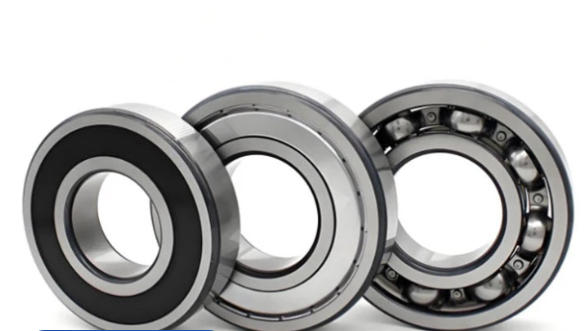
In the world of machinery and mechanical systems, bearings are the unsung heroes that enable smooth motion, reduce friction, and support loads across countless applications. From industrial equipment to precision instruments, the right bearing can mean the difference between efficient operation and costly breakdowns. Among the diverse range of options, bearing types vary significantly in design and function, each tailored to specific needs. Two standout examples are angular contact bearings , engineered for precision and combined loads, and axial bearing s , built to handle thrust forces. In this guide, we will explore the characteristics, applications, and key considerations of these essential components, shedding light on how they power modern machinery. Whether you’re an engineer, technician, or simply curious about mechanical systems, this article will deepen your understanding of bearings and their critical role in industry. Understanding Bearing Types: Classifications and Core Functions Bearing types are categorized based on their design, load-handling capabilities, and the motion they facilitate, ensuring that every mechanical system can find a bearing suited to its unique demands. At their core, all bearings share the primary goal of reducing friction between moving parts, but the way they achieve this varies widely across bearing types . One key distinction in bearing types is the direction of load they primarily handle: radial loads (acting perpendicular to the shaft) or axial loads (acting parallel to the shaft). Radial bearings, for example, are designed to support weight from the side, making them ideal for applications like electric motors or conveyor belts. Axial bearings, by contrast, focus on thrust loads, as we will explore later. Another classification is based on rolling elements: ball bearings use spherical balls to minimize friction, while roller bearings use cylindrical, tapered, or spherical rollers, offering higher load capacity for heavy-duty tasks. Bearing types also differ in their precision levels, with some designed for high-speed, low-tolerance applications (such as in aerospace or medical equipment) and others built for durability in rugged environments (like construction machinery). Understanding these classifications is essential for selecting the right bearing, as using an ill-suited type can lead to premature wear, inefficiency, or system failure. Angular Contact Bearings: Precision Design for Combined Load Handling Angular contact bearings stand out among bearing types for their ability to handle both radial and axial loads simultaneously, making them indispensable in applications where precision and versatility are critical. Their unique design features inner and outer rings with raceways that are offset at an angle, allowing them to transmit loads along a specific contact angle. This angle determines the bearing’s capacity to handle axial loads: larger angles mean greater thrust capacity, while smaller angles prioritize radial load support. A key advantage of angular contact bearings is their suitability for high-speed operations. The optimized raceway geometry and precision manufacturing reduce friction and heat generation, even at elevated speeds, making them ideal for use in machine tools, pumps, and turbines. In many cases, angular contact bearings are mounted in pairs—either face-to-face or back-to-back—to distribute loads evenly and accommodate moments (twisting forces), enhancing stability in systems like gearboxes or spindles. Another notable feature of angular contact bearings is their versatility in mounting configurations. They can be adjusted to preload, a process that eliminates internal clearance and ensures tight contact between rolling elements and raceways, improving rigidity and reducing vibration. This preload capability is especially valuable in precision machinery, where even minor deflection can compromise performance. For these reasons, angular contact bearings remain a top choice for engineers seeking reliable, high-performance solutions for combined load challenges. Axial Bearing: Specialized Design for Thrust Load Support An axial bearing , also known as a thrust bearing, is a specialized type within the broader family of bearing types , engineered specifically to handle axial loads—forces that act parallel to the shaft. Unlike radial bearings, which support weight from the side, an axial bearing is designed to prevent sliding or movement along the shaft’s axis, making it critical in applications where thrust forces are prominent. The design of an axial bearing typically features rolling elements (balls or rollers) arranged between two washers or rings, known as thrust plates. These plates have raceways that guide the rolling elements, ensuring smooth motion while distributing axial loads evenly. Depending on the application, axial bearing s may use balls (for lighter loads and higher speeds) or rollers (for heavier loads and greater stability). Tapered roller thrust bearings, for example, are well-suited for heavy-duty applications like automotive transmissions, where they support large axial loads from gear engagement. Axial bearing s are found in a wide range of machinery, from household appliances like washing machines (supporting the drum’s axial movement) to industrial equipment like hydraulic presses (handling the thrust from compression forces). Their ability to operate with minimal friction and wear ensures long service life, even under continuous axial load. In systems where both radial and axial loads are present, axial bearing s are often paired with radial bearings, creating a comprehensive load-handling solution that maximizes efficiency and reliability. Choosing the Right Bearing Types: Key Factors for Optimal Performance Selecting the appropriate bearing types is a critical decision that impacts the performance, durability, and safety of mechanical systems. With so many options available, engineers and technicians must consider several key factors to ensure the chosen bearing aligns with the application’s requirements. Load Type and Magnitude: The first consideration is whether the primary load is radial, axial, or a combination. Radial bearings are best for radial loads, axial bearing s for thrust loads, and angular contact bearings for combined loads. Matching the bearing’s load capacity to the application’s demands prevents premature failure. Operating Speed:High-speed applications, such as turbines or centrifuges, require bearing types with low friction and heat resistance, like angular contact bearings or precision ball bearings. Slower, heavy-duty systems may benefit from roller bearings, which offer higher load capacity. Environmental Conditions:Factors like temperature, moisture, and contamination influence bearing selection. For harsh environments, sealed or shielded bearing types can protect against dust, debris, or corrosion, extending service life. Precision Requirements: Applications like machine tools or medical equipment demand tight tolerances and minimal vibration. Angular contact bearings or high-precision radial bearings are ideal here, as they can be preloaded to enhance rigidity. Mounting and Space Constraints: The available space and mounting configuration may limit bearing types . Compact systems, for example, may require thin-section bearings, while others may need flanged or pillow block bearings for easy installation. By carefully evaluating these factors, professionals can select bearing types that not only meet functional needs but also optimize efficiency and reduce maintenance costs over time. Bearing Type Primary Load Handling Key Applications Key Advantages Angular Contact Bearings Combined radial and axial Machine tools, pumps, turbines High-speed capability, preload adjustability Axial Bearing Axial (thrust) Washing machines, hydraulic presses, transmissions Specialized for thrust loads, various roller/ball options Radial Bearings Radial Electric motors, conveyors Simple design, high radial load capacity FAQS about Common Questions About Bearing Types and Applications What are the main categories of bearing types and their primary functions? The main categories of bearing types are classified by load handling and design: radial bearings support radial loads (perpendicular to the shaft) in applications like motors; axial bearing s handle axial loads (parallel to the shaft) in systems like transmissions; and angular contact bearings manage combined radial and axial loads in precision machinery like pumps. Each type is engineered to optimize performance for its specific load requirements. How do angular contact bearings differ from other bearing types in load handling? Angular contact bearings differ from other bearing types by their ability to handle both radial and axial loads simultaneously, thanks to their offset raceway design. Unlike radial bearings (which focus solely on radial loads) or axial bearing s (which only handle thrust), angular contact bearings distribute combined loads along a contact angle, making them ideal for high-speed, precision applications where both load types are present. In which applications is an axial bearing most commonly used? An axial bearing is most commonly used in applications where thrust loads (axial forces) are prominent. Examples include automotive transmissions (supporting gear thrust), washing machines (managing drum axial movement), hydraulic presses (handling compression forces), and marine propeller systems (counteracting thrust from water resistance). Their design ensures smooth operation even under continuous axial load, preventing shaft movement along its axis. What factors should I consider when selecting between different bearing types for a project? When selecting between bearing types , consider load type (radial, axial, or combined), load magnitude, operating speed, environmental conditions (temperature, contamination), precision requirements, and space constraints. For combined loads, choose angular contact bearings ; for thrust loads, opt for an axial bearing ; and for radial loads, select radial bearings. Matching these factors to the bearing’s capabilities ensures optimal performance and longevity. How do angular contact bearings contribute to precision in high-speed machinery? Angular contact bearings contribute to precision in high-speed machinery through their optimized design: offset raceways reduce friction and heat at high speeds, while their ability to be preloaded eliminates internal clearance, enhancing rigidity. This preload minimizes vibration and deflection, ensuring consistent performance in applications like machine tools, spindles, and turbines, where even small deviations can compromise accuracy. Their durable construction also resists wear, maintaining precision over extended use. At HEBEI YIDI IMPORT AND EXPORT TRADING CO.,LTD., we specialize in providing high-quality bearings tailored to your unique needs, from versatile bearing types to precision angular contact bearings and reliable axial bearings . Our team of experts understands the critical role bearings play in your machinery, and we are committed to offering solutions that combine durability, performance, and value. Whether you’re designing a high-speed industrial system or need a specialized axial bearing for thrust applications, we have the expertise to guide you to the right choice. Visit our website to explore our extensive product range, consult with our technical team, and discover how our bearings can elevate the performance of your machinery.
Our Bearings And Technology
One-stop linear motion supplier, product solution provider
6002rs bearing
Real-world Notes on a High-Capacity Bearing Linear Guide for Heavy Machines If you work around CNCs, gantries, or palletizing robots, you already know the unsung hero is the Bearing Linear Guide . YIDI’s Heavy Duty Linear Bearing Slide Rails RGH65 has been popping up more in my inbox—partly because it’s tough, partly because it’s reasonably priced, and, frankly, because lead times elsewhere are ge
linear rail block
Silent Heavy-Duty Linear Guide Rail QHW20 QHH20 Linear Bearings And Rails is a key solution in the manufacturing industry, specifically within General equipment manufacturing industry and Manufacturing of bearings, gears, and transmission components. This article explores how HEBEI YIDI IMPORT AND EXPORT TRADING CO.,LTD. supports professionals with durable, high-performance products, and explains
6301 bearing price
High Quality EG Bearing Linear Guides and Linear Slider: Industry-Leading Precision from HEBEI YIDI IMPORT AND EXPORT TRADING CO.,LTD. Author: YIDI Motion Bearing Expert Team Updated: June 2024 Company: HEBEI YIDI IMPORT AND EXPORT TRADING CO.,LTD. Website: https://www.ydmotion.com Tel: +86 18134111663 Mobile: +86 18134111662 Email: adam@yidimotion.com Address: 16-1-1601 Aobeigongyuan, Chang 'an D
6806 2rs
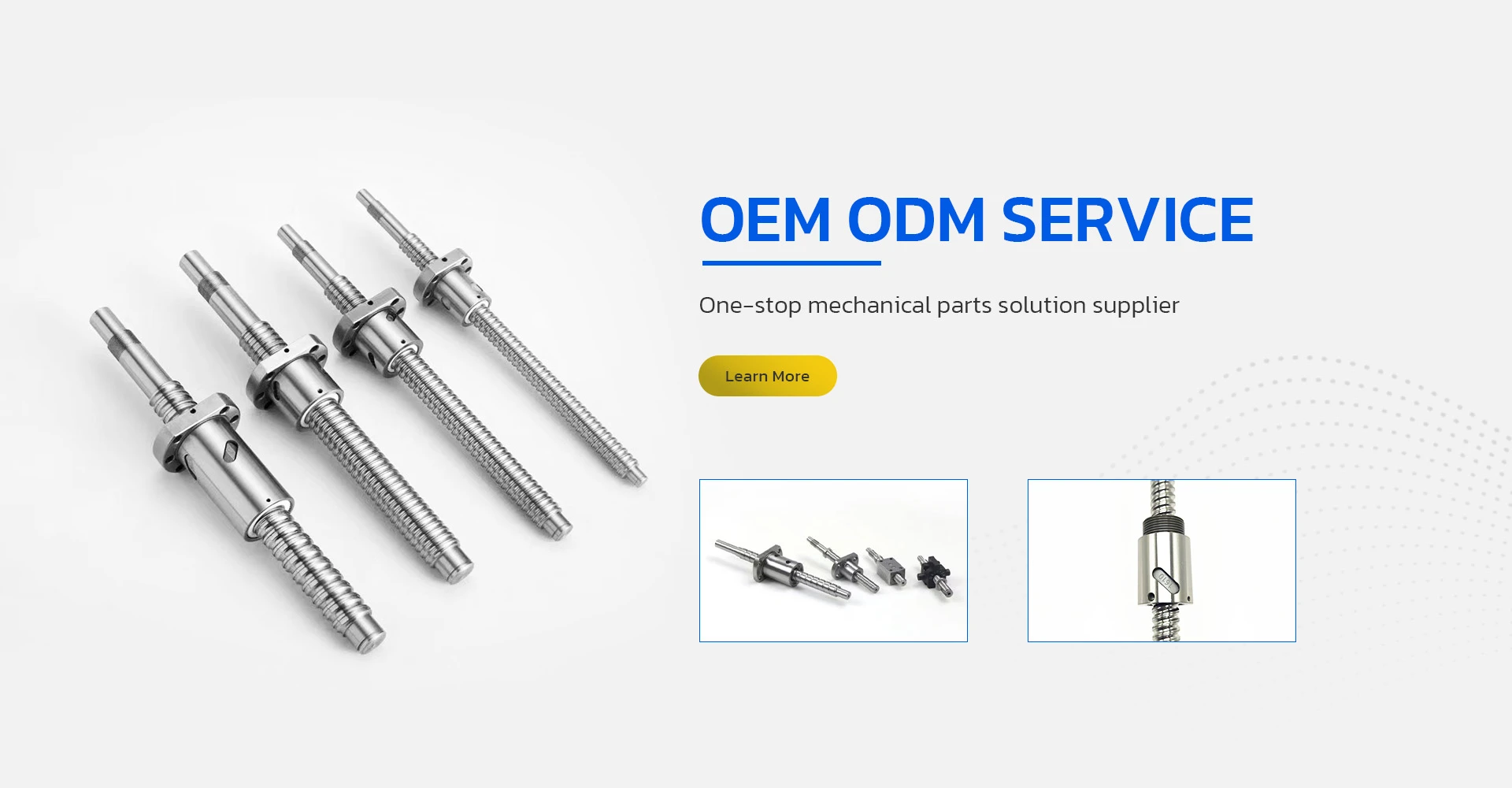
Inside the SFY1616/SFY2040 Ball Screw Story: What Precision Really Looks Like I’ve been around motion systems long enough to know the difference between catalog hype and the real deal. The High Precision Ball Screw SFY1616 SFY2040 Series C3 C5 Ball And Screw falls in the latter camp—properly engineered, tested, and, frankly, built for shops that care about microns, not just millimeters. Trend-wise
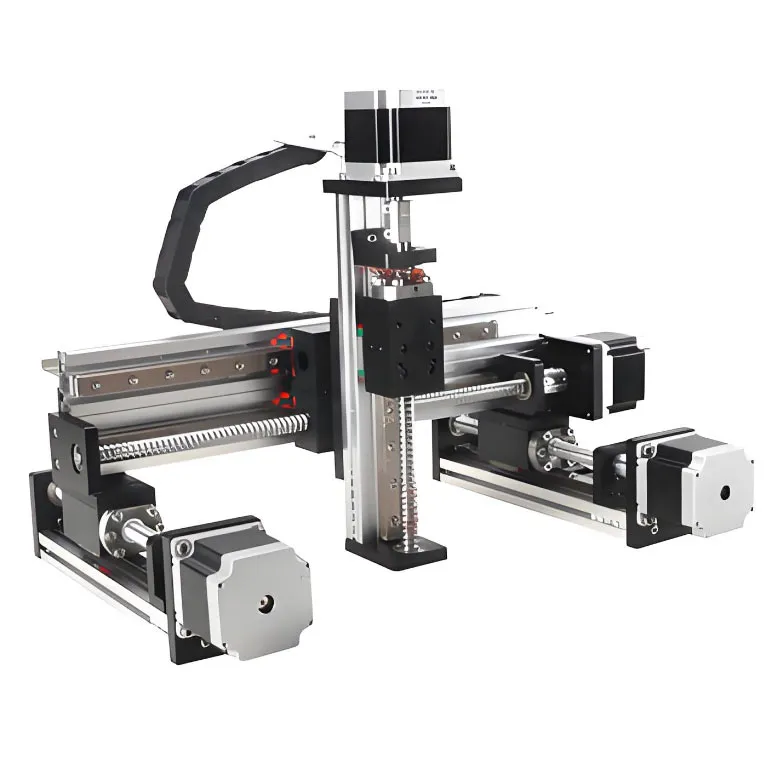
YIDI MOTION offer v good service. Delivery: Very fast Quality: High performance Service: Help me much with my products The ball screw is well, I use it on my machine, worke properly.

When picking a supplier we balance price, quality, professionalism, and lead time. Although your quote is not the cheapest, we value your professionalism and expertise in making ball screws.so we choose YIDI as our final supplier

I have visited Yidi Company last year, they can provide a lot of laser equipment accessories, professional is very good, and to our new products to provide very good solutions

We repair a lot of screw, the number is small, Yidi can order a piece, and according to our drawings machining shaft end, perfect for our equipment, this service is great

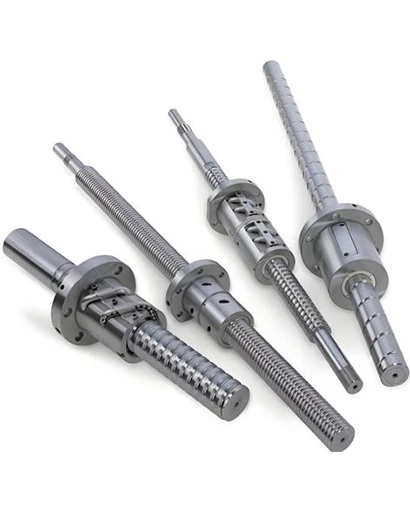
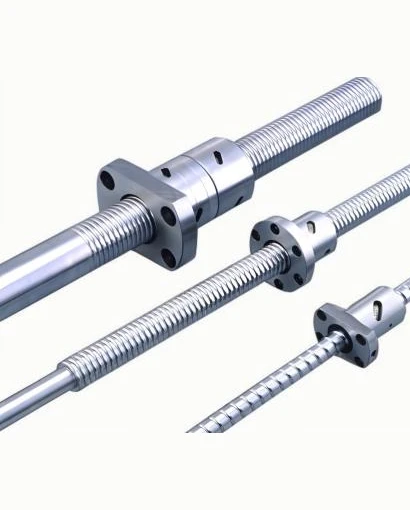
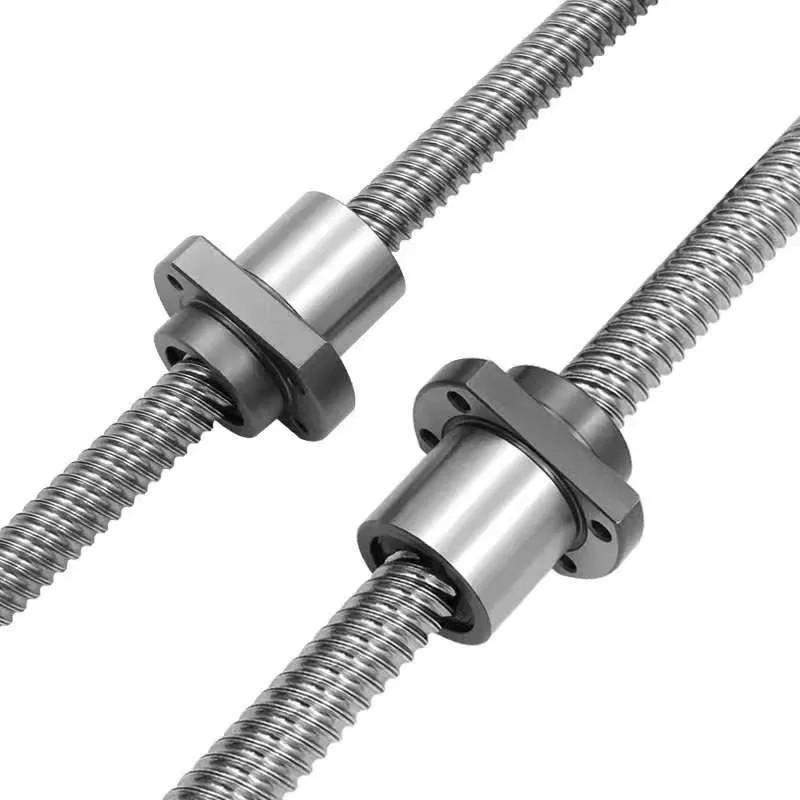
Compared With Traditional Sliding Screws, Ball Screws Transmit Power Through Rolling Friction, With A Mechanical Efficiency Of More Than 90%, Which Significantly Saves Energy. With Extremely Small Backlash And Predictable Linear Motion Accuracy, They Are Suitable For High-Precision Cnc Equipment, Automated Machinery And Other Scenarios.
Quickly find the problems you encounter most often
Follow Our Blog
Gear And Rack is a key solution in the manufacturing industry, specifically within General eq
2026-04-02 05:28
Gear And Rack is a key solution in the manufacturing industry, specifically within General eq
2026-04-02 04:36
Gear And Rack is a key solution in the manufacturing industry, specifically within General eq
2026-04-02 04:30


